ISS amateur radio link-up for UK school

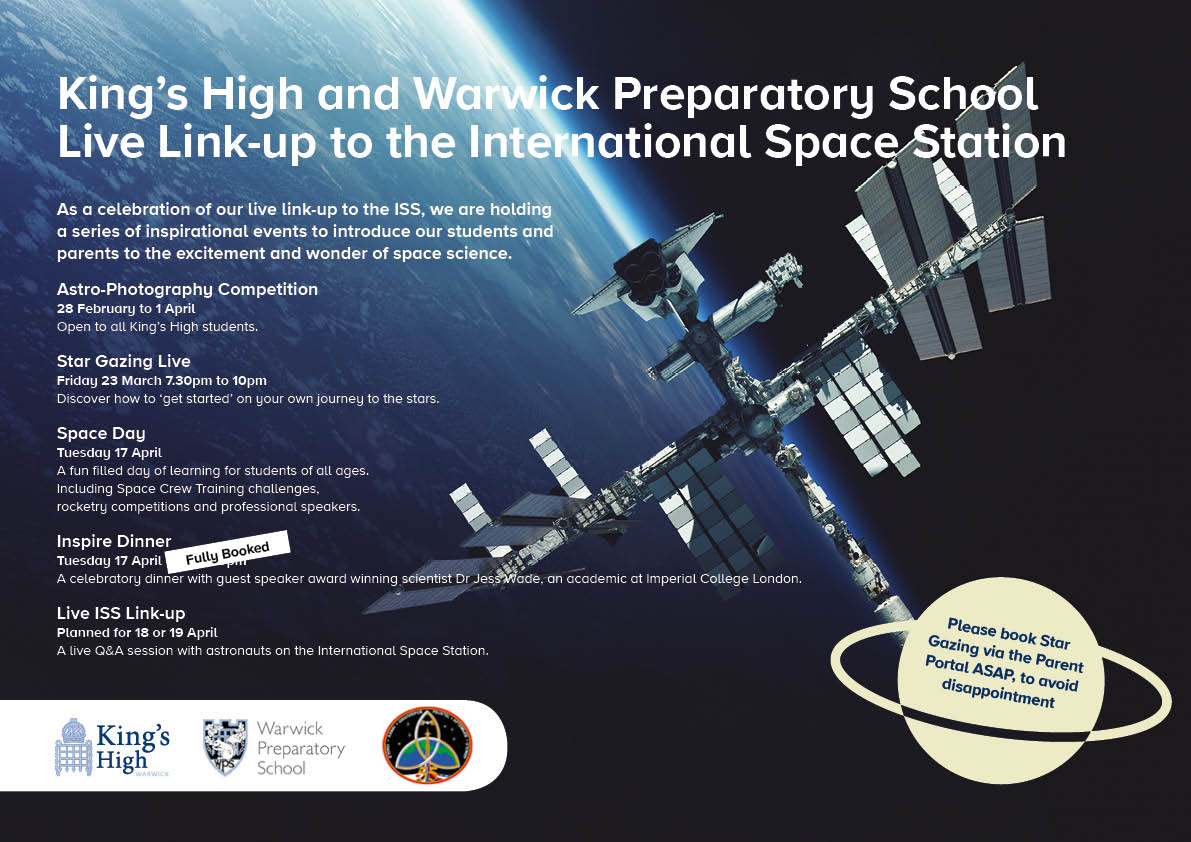
Kings High School Warwick ARISS ContactA contact between Kings High School for Girls in Warwick using the call sign GB4KHS and the International Space Station, call sign NA1SS, is planned for Thursday, April 19 at 1205 GMT (1305 BST). The amateur radio contact should be receivable across the British Isles and Western Europe on 145.800 MHz FM.

There will be live streaming from the school at https://live.ariss.org/
Schedule (times are given in GMT add 1 hour for BST):
1100 Introduction and school presentations
1145 ARISS Operations start
1205 ARISS Contact
1215 Review and wrap up

Kings High School say:
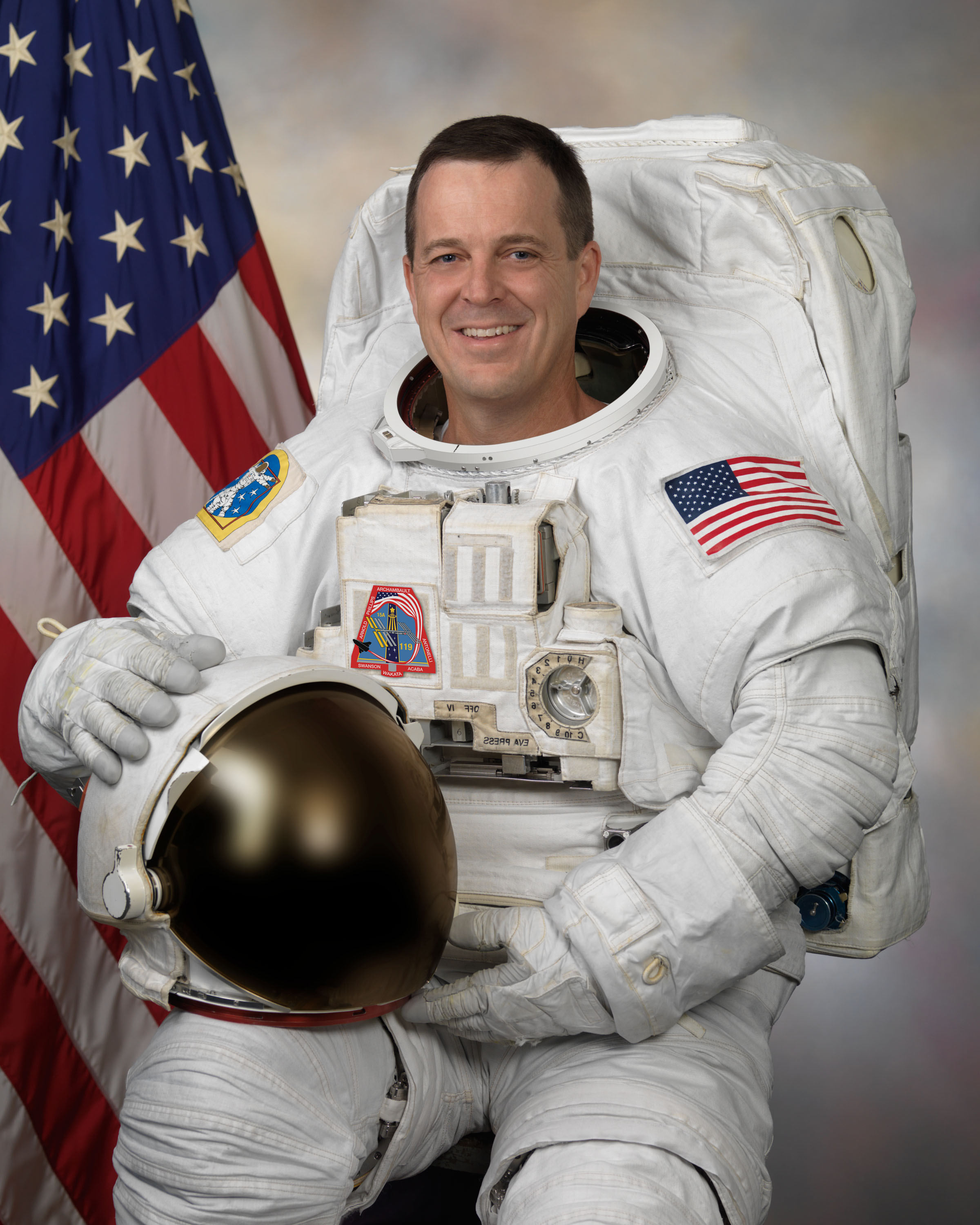
ISS astronaut Ricky Arnold KE5DAU

ISS astronaut Ricky Arnold KE5DAU

We strongly encourage our girls to develop their interests both inside and outside the classroom. This culture of empowerment led one of our girls to apply to ARISS Europe (Amateur Radio on the International Space Station) for a highly prestigious link-up to the International Space Station.

This student-led initiative has resulted in a whole-school focus on Space Science, both in the classroom – from Engineering to English Literature – as well as co-curricular activities, including our ‘Mars Society.’

To support this programme, we have appointed our own Space Scientist in Residence – a unique position, we believe, for any school in the country.

Excitement is building for our live link-up to the International Space Station, when pupils from King’s High and Warwick Prep will talk with the astronauts on board.

King’s High And Beyond! – Adventures in Space

John McGuire, Space Scientist in Residence, has joined forces with Stratford Astronomical Society to organise a Stargazing Live event for students and parents of King’s High and Warwick Prep next Friday night. They will enjoy an Introduction to Astronomy, Telescope Talks, and ‘Ask an Astronomer’ sessions, before viewing the skies for themselves. This follows months of Space activity, from the very youngest pupils of Warwick Prep creating Mars models, to King’s students developing their own Amateur Radio Licensing Club, to set up a link between King’s and the International Space Station.

Live Link-Up to the International Space Station

Amateur Radio on the International Space Station (ARISS) logoWhen King’s High student, Eleanor Griffin was selected to hold a space conversation with an astronaut, she was inspired to set up the Warwick Mars Project, for students across the Warwick Independent Schools Foundation, to further interest in Space Science. Eleanor says: ‘The moon landings belong to the generation of our grandparents, and the International Space Station to our parents’. What will happen in our generation? Will Mankind travel to another planet?’ She will lead students in a live Q and A session with astronauts on the International Space Station on 19 April – the actual date depends on where the ISS is in orbit at the time.

From one girl’s interests and ambitions, a generation of King’s High and Warwick Prep pupils will benefit from an extraordinary range of opportunities and life-experience. We are also delighted that pupils from other local schools will be able to share in the excitement, by joining us for a ‘Space Day’ and the link-up itself. All power to our pupils!

The exciting journey pupils take at King’s High has expanded to a whole new dimension this academic year, as we explore the wonders of Space Science, with students from across the Warwick Independent Schools Foundation. At King’s, pupils have studied Space in lessons, from Engineering to English Literature, and developed a programme of student-led activities, including Space Blogs, an Astro-Photography competition, and a Space-themed dinner.

We recently appointed our own Space Scientist in Residence – a unique position, we believe, for any school in the country. Excitement is building for our live link-up to the International Space Station in April, when pupils from Warwick Prep and King’s High will talk with the astronauts on board.

There will be a live web stream from the event at https://live.ariss.org/

If you don’t have an amateur radio receiver you can still listen to the ISS by using an Online Radio, also known as a WebSDR. Select a Frequency of 145800.0 kHz and Mode FM:
• Farnham WebSDR when ISS is in range of London http://farnham-sdr.com/

Check the ISS Fan Club site to see when the ISS is in range http://issfanclub.com/
How to hear the ISS https://amsat-uk.org/beginners/how-to-hear-the-iss/

What is Amateur Radio? http://www.essexham.co.uk/what-is-amateur-radio

Find a UK amateur radio training course near you https://thersgb.org/services/coursefinder/

AMSAT-UK: https://amsat-uk.org/
Twitter: https://twitter.com/AmsatUK
Facebook: https://facebook.com/AmsatUK
YouTube: https://youtube.com/AmsatUK

Amateur Radio on the International Space Station (ARISS)
http://ariss.org/
https://twitter.com/ARISS_status

King’s High School Warwick https://twitter.com/KHSWarwick
Russian ISS SSTV Event to Celebrate Cosmonautics Day

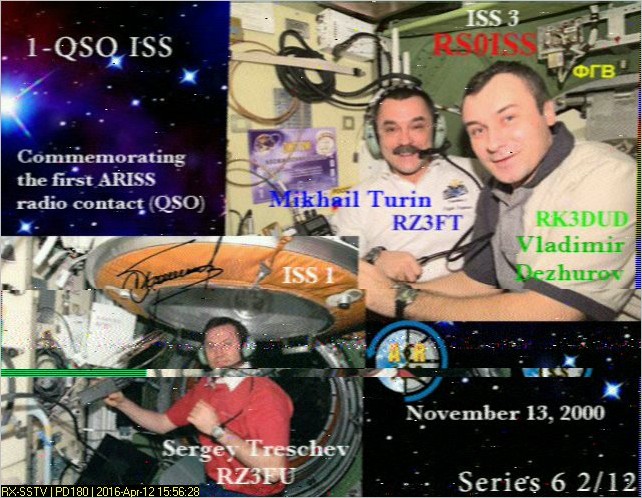
ISS SSTV image 2 received by Mike Rupprecht DK3WN April 12, 2016 at 1556 UT

ISS SSTV image received by Mike Rupprecht DK3WN April 12, 2016 at 1556 UT

ARISS Russia is planning a special Slow Scan Television (SSTV) event April 11-14 from the International Space Station in celebration of Cosmonautics Day.

The transmissions are to begin on April 11 at 11:30 UT and run through April 14 ending at 18:20 UT.

Supporting this event is a computer on the ISS Russian Segment, which stores images that are then transmitted to Earth using amateur radio, specifically the onboard Kenwood TM-D710E transceiver.

Transmitted images will be from the Interkosmos project period of the Soviet space program https://en.wikipedia.org/wiki/Interkosmos

The transmissions which were coordinated with the ARISS scheduling team, will be made on 145.800 MHz FM using the PD-120 SSTV mode.

Note the ISS transmissions use the 5 kHz deviation FM standard rather than the narrow 2.5 kHz used in Europe. If your transceiver has selectable FM filters try using the wider filter. Handheld transceivers generally have a single wide filter fitted as standard and you should get good results outdoors using just a 1/4 wave whip antenna.

The ISS Fan Club site will show you when the space station is in range http://www.issfanclub.com/

ISS SSTV information and links at https://amsat-uk.org/beginners/iss-sstv/

Post your images on the ARISS-SSTV gallery at http://www.spaceflightsoftware.com/ARISS_SSTV/

Listen to the ISS when it is over Russia with the R4UAB WebSDR

Listen to the ISS when in range of London with the SUWS WebSDR http://farnham-sdr.com/

Please note that the event is dependent on other activities, schedules and crew responsibilities on the ISS and subject to change at any time. You can check for updates regarding planned operation at:
ISS Ham https://twitter.com/RF2Space
ARISS Status https://twitter.com/ARISS_status
ARISS SSTV Blog https://ariss-sstv.blogspot.com/
AMSAT Bulletin Board http://www.amsat.org/mailman/listinfo/amsat-bb

If you receive a full or partial picture from the Space Station your Local Newspaper may like to know http://www.southgatearc.org/news/2016/july/now-is-a-great-time-to-get-ham-radio-publicity.htm

The RSGB produce a handy Media Guide and Template press release for anyone to download and adapt, see http://rsgb.org/main/clubs/media-guide-for-affiliated-societies/

An example of the publicity you can get for the hobby by telling your Local Newspaper
https://amsat-uk.org/2015/04/15/iss-sstv-in-the-press/

ISS SSTV active on 145.800 MHz FM in April

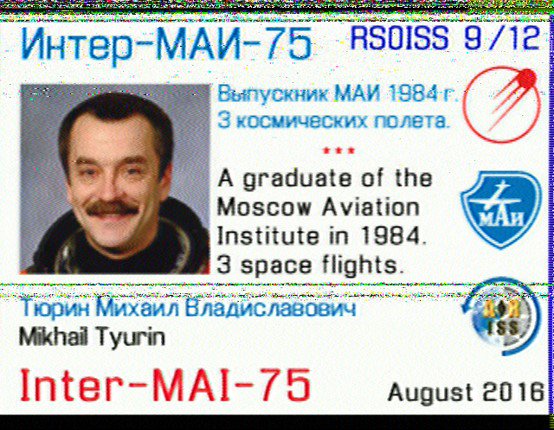
ISS SSTV MAI-75 image 9/12 received by Chertsey Radio Club on Baofeng handheld

ISS SSTV MAI-75 image 9/12 received by Chertsey Radio Club on Baofeng handheld

The International Space Station (ISS) amateur radio Slow Scan Television (SSTV) transmissions on 145.800 MHz FM are expected to be activate over several days in April.

The Inter-MAI-75 SSTV experiment should be active on:
• Monday, April 2 from 15:05-18:30 UT
• Tuesday, April 3 from 14:15-18:40 UT

SSTV is also expected be active from April 11-14 world wide as part of Cosmonautics Day which takes place on April 12. Detailed times are still being worked into the schedule and will be published later. Images will be related to the Interkosmos project (https://en.wikipedia.org/wiki/Interkosmos).

The SSTV images will be transmitted on 145.800 MHz FM using the Kenwood TM-D710 transceiver located in the Russian ISS Service module. It is expected they will use the PD-120 SSTV format.

Note the ISS transmissions use the 5 kHz deviation FM standard rather than the narrow 2.5 kHz used in Europe. If your transceiver has selectable FM filters try using the wider filter. Handheld transceivers generally have a single wide filter fitted as standard and you should get good results outdoors using just a 1/4 wave whip antenna.

The ISS Fan Club site will show you when the space station is in range http://www.issfanclub.com/

ISS SSTV information and links at https://amsat-uk.org/beginners/iss-sstv/

Post your images on the ARISS-SSTV gallery at http://www.spaceflightsoftware.com/ARISS_SSTV/

Listen to the ISS when it is over Russia with the R4UAB WebSDR

Listen to the ISS when in range of London with the SUWS WebSDR http://farnham-sdr.com/

Please note that the event is dependent on other activities, schedules and crew responsibilities on the ISS and subject to change at any time. You can check for updates regarding planned operation at:
ISS Ham https://twitter.com/RF2Space
ARISS SSTV Blog https://ariss-sstv.blogspot.com/
AMSAT Bulletin Board http://www.amsat.org/mailman/listinfo/amsat-bb

If you receive a full or partial picture from the Space Station your Local Newspaper may like to know http://www.southgatearc.org/news/2016/july/now-is-a-great-time-to-get-ham-radio-publicity.htm

The RSGB produce a handy Media Guide and Template press release for anyone to download and adapt, see http://rsgb.org/main/clubs/media-guide-for-affiliated-societies/

An example of the publicity you can get for the hobby by telling your Local Newspaper
https://amsat-uk.org/2015/04/15/iss-sstv-in-the-press/

Slow Scan TV from Space Dec 5-6

ISS SSTV MAI-75 image 9/12 received by Chertsey Radio Club on Baofeng handheld

ISS SSTV MAI-75 image 9/12 received by Chertsey Radio Club on Baofeng handheld

The 145.800 MHz FM Slow Scan Television (SSTV) transmissions from the International Space Station on December 5-6 should be receivable by radio amateurs around the world.

There should also be SSTV activity on December 7 and 8 at times when the ISS is in range of Moscow.

UPDATE: On Dec 5 ISS Ham @RF2Space Tweeted:
Looks like the #ISS #SSTV test activity was delayed a day. The MAI-75 part is still there but some time changes and session removed. See new schedule at https://ariss-sstv.blogspot.com/

The MAI-75 SSTV system in the Russian Service Module will be put through some extended testing from December 5 starting around 15:00 UTC and running until 09:00 UTC on December 6. Test images will be used during this period. This will provide near global coverage if all works well on 145.800 MHz FM.

In the past images have been sent using the SSTV mode PD120, with a 2-minute off time between each image.

All you need to receive SSTV pictures direct from the space station is to connect the audio output of a scanner or amateur radio transceiver via a simple interface to the soundcard on a Windows PC or an Apple iOS device, and tune in to 145.800 MHz FM. You can even receive pictures by holding an iPhone next to the radio loudspeaker.

The ISS puts out a strong signal on 145.800 MHz FM and a 2m handheld with a 1/4 wave antenna should be enough to receive it.

Many FM rigs can be switched been wide and narrow deviation FM filters. For best results you should select the filter for wider 5 kHz deviation FM. Handhelds all seem to have a single wide filter fitted as standard.

ARISS SSTV Blog http://ariss-sstv.blogspot.co.uk/

ISS Slow Scan TV information with links to Apps and ISS tracking
https://amsat-uk.org/beginners/iss-sstv/

New ham radio equipment for ISS

ARISS 25 watt JVC Kenwood D710GA at Hamvention 2017 - Credit John Brier KG4AKV

ARISS 25 watt JVC-Kenwood D710GA at Hamvention 2017 – Credit John Brier KG4AKV

The ARISS website reports on progress towards flying new amateur radio equipment to the International Space Station.

On behalf of the ARISS International team, I am proud to announce that on Friday September 29th the ARISS team submitted the InterOperable Radio System (IORS) Safety Data Package to NASA for review!  Our next step in this process is the Safety Review, which is planned for November 2.

Submitting this was a phenomenal accomplishment!!  Particularly since the entire Safety Data Package was developed exclusively by our ARISS volunteers—something we have never done before.  Prior to this submittal, all safety packages—from Owen Garriott’s in the early 1980s to today–were developed with contractors from NASA, ESA or Energia.  And might I say at substantial expense.  I am pleased that the ARISS team did it ourselves!

International Space Station – Image Credit NASA

Why is this important?  Two reasons:

1) This is a very major IORS milestone. We cannot get to orbit without successfully completing the safety review process and getting our hardware certified for flight.
2) Developing the safety package exclusively with volunteers is an innovative and gutsy approach to keep costs down and get the hardware flown sooner.  Otherwise we probably would have to slip launch 1-2 years while we acquired additional funding to get this done.

NASA Human Spaceflight Safety Certification is a four-step process—Phase 0, Phase 1, Phase 2 and Phase 3.  The material we submitted covers the first three of the four phases.  As part of Phases 0, 1 and 2, we need to make sure NASA understands our design.  And we need to show NASA that we understand all the potential hazards that our hardware systems could introduce to ISS and how we have mitigated (or prevented) these hazards.  One example is to demonstrate to NASA that our IORS was designed with electrical wiring and circuit breakers that possess adequate features and sufficient margin to prevent an electrical shock or fire on-board the ISS.  Critically important stuff!  The final phase (Phase 3) will be complete when we have completed all testing and NASA inspection of our flight hardware and NASA deems it flight worthy.  At that point the IORS will be flight certificated and we can fly!  Currently we are looking to March-May 2018 for flight readiness.

For those not following ARISS hardware development very closely, we are developing the IORS to replace most of the on-board radio hardware. It is called “interoperable” because it is being designed to be operated anywhere on ISS.  But specifically, it will be used in the two areas with ISS Ham legacy antennas: the Columbus Module and the Russian Service Module. Interoperability allows us to leverage existing ISS power cables, it can be moved between modules in the event of on-orbit failures, and it supports common training and operations.

Multi-Voltage Power Supply with JVC-Kenwood D710GA on mounting bracket

The IORS is the most complex in-cabin hardware system we have ever designed, built, tested and flown as a volunteer team. We will remove the 3 watt Ericsson handheld radio system, initially certified for flight in 1999, and the Packet module–both of which have recently had issues—and install a brand-new, specially modified 25 watt JVC Kenwood D710GA radio to enable a multitude of new or improved capabilities on ISS, including voice repeater and better APRS operations.  A key development is the Multi-Voltage Power Supply (MVPS), which interfaces with multiple electric outlet connection types on ISS and provides a multitude of power output capabilities for our current and future ARISS operations and amateur radio experimentation.  It will also allow our Ham Video system to have a dedicated power outlet, eliminating the outlet sharing we have now, which shuts down Ham Video at times.

This effort would not be possible without the dedication and persistence of our IORS development team of volunteers.  They have been working tirelessly behind the scenes to provide an outstanding amateur radio experience for all.  Our IORS development team includes: Lou McFadin, W5DID, our Chief Engineer; Kerry Banke, N6IZW, the MVPS lead designer; Bob Davis, KF4KSS, the MVPS Mechanical enclosure designer; Ed Krome, K9EK, supporting IORS thermal control and cabin noise dissipation; Dave Taylor, W8AAS, our JVC Kenwood D-710 development liaison; Bob Bruninga, WB4APR, our APRS and D-710 operations expert; Shin Aota, JL1IBD, and Phil Parton, N4DRO for all their phenomenal support from JVC Kenwood; Kenneth Ransom, N5VHO, our operations lead; and our safety package team—Ken Ernandes, N2WWD, and Gordon Scannell, KD8COJ.  Kudos to all on a fantastic effort!

Designing, building and testing the IORS is a huge undertaking and *very* expensive.  We need to build ten (10!) units to support flight hardware, flight spares, testing, and training across the international team.  Hardware parts, development tools, fabrication, testing, and expenses to certify the IORS are expected to cost approximately $150,000.  And the hard part (i.e. most expensive part) is just now starting.  So please consider making a donation to ARISS to take our hardware system from dream to reality.  You can donate to ARISS directly through the AMSAT web site at:  http://www.ariss.org/donate.html.  ALL donations go directly to ARISS.

Thank you for all your support to inspire, engage and educate our youth to consider wireless communications and amateur radio, and to pursue STEAM careers through our exciting human space exploration and amateur radio endeavor!

Ad Astra!  To the Stars!

Sincerely,
Frank H. Bauer, KA3HDO
ARISS International Chair and ISS Ham Radio Principal Investigator

Source http://ariss.org/

Russian Cosmonauts Deploy Satellites

ISS Expedition 52 Commander Fyodor Yurchikhin RN3FI with Tanyusha-SWSU 1 and 2 CubeSats

ISS Expedition 52 Commander Fyodor Yurchikhin RN3FI with Tanyusha-SWSU 1 and 2 CubeSats

On Thursday, July 17, 2017 ISS Expedition 52 Commander Fyodor Yurchikhin, RN3FI and Flight Engineer Sergey Ryazanskiy manually deployed 5 satellites during a spacewalk.

The satellites were deployed from the Pirs airlock module of the International Space Station.

Jonathan McDowell‏ @planet4589 Tweeted this information on the deployment times:
1510 UTC Tomsk-TPU-120
1515 UTC Tanyusha-SWSU 1
1516 UTC Tanyusha-SWSU 2
1521 UTC TNS-0 No. 2
1529 UTC TS-530-Zerkalo (sphere)

Three of the satellites carry amateur radio payloads, Tanyusha-SWSU 1 & 2 on 437.050 MHz with either 9k6 FSK or FM voice announcements and Tomsk-TPU-120 on 437.025 MHz with FM voice announcements.

Tomsk-TPU-120
https://amsat-uk.org/2016/12/29/tomsk-tpu-120-eva-deployment/
Check for reports at http://www.dk3wn.info/p/?cat=325

Tanyusha-SWSU 1 & 2 also known as Radioskaf 6 & 7 (RS6S, RS7S)
https://amsat-uk.org/2017/06/30/russian-tanusha-1-and-2-satellites/
Check for reports at http://www.dk3wn.info/p/?cat=445