BIRDS-1 constellation of five CubeSats deployed

BIRDS-1 CubeSat Constellation Deployment

BIRDS-1 CubeSat Constellation Deployment

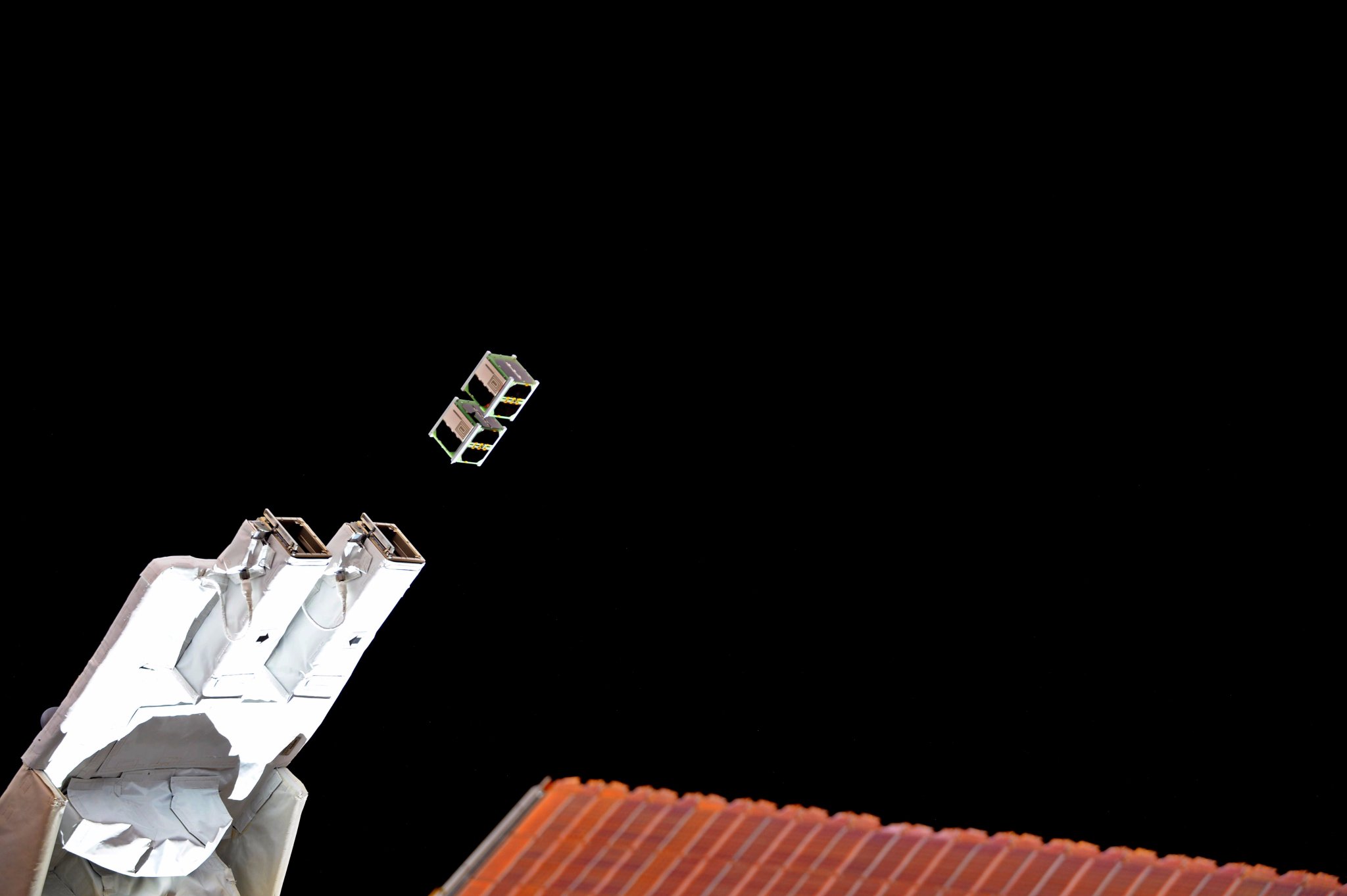
On Friday, July 7, 2017 five CubeSats carrying amateur radio payloads were deployed from the Japanese Kibo module on the International Space Station.

ISS astronaut Jack Fischer KG5FYH @Astro2fish tweeted:
Another great example of International Cooperation today on @Space_Station –launched 5 micro-satellites from 5 countries off the JAXA arm!

The BIRDS-1 constellation consists of five 1U CubeSats (BIRD-B, BIRD-J, BIRD-G, BIRD-M and BIRD-N). They launched to the ISS on a SpaceX Falcon 9 CRS-11 on June 3, 2017. The satellites are made of the exactly same design and use the same amateur radio frequency.

The main mission of the constellation is to do experiments on radio communication with a CubeSat constellation via a network of UHF/VHF amateur radio ground stations all over the world.
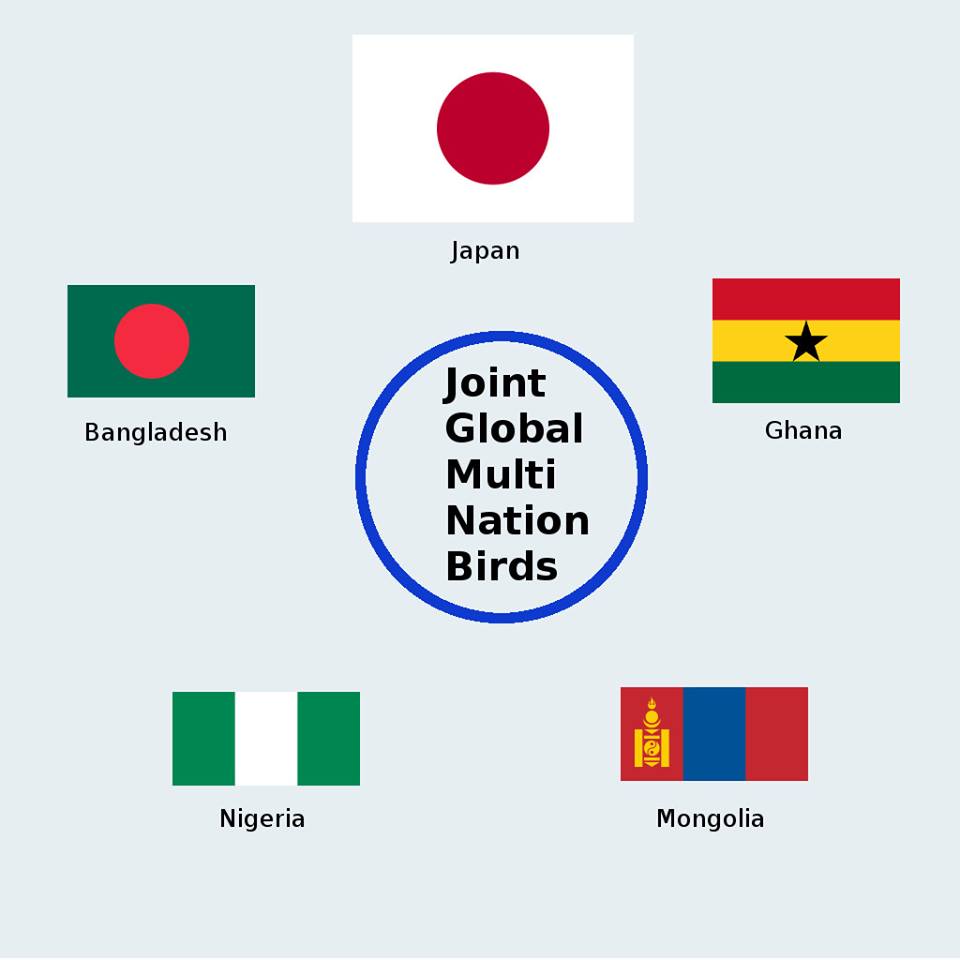
BIRDS CubeSat NationsThe challenge is to distinguish each satellite from the others sharing the same transmit frequency, hand over operation of a satellite from one ground station to another and assemble the satellite data, such as housekeeping telemetry, music and the Earth images, obtained at different ground stations.

Amateur radio enthusiasts are asked to join the network to assist in the data downlink and reconstruction of the patchy satellite data into one meaningful data. Orbit information and operational plan of each satellite will be made available to the amateur radio community in the world. Software to decode the satellite data will be also made available.

The respective amateur ground stations that can successfully decode the telemetry data, music and the Earth images, shall receive a QSL card from the BIRDS team.

The data reconstructed by the effort of the amateur ground station network will be made public to share the sense of satisfaction and achievement.

BIRDS CubeSat Project LogoA particularly interesting mission of BIRDS project is the SNG mission that exchanges music via a digi-singer. It is an outreach-oriented mission. First, music in MIDI format is uploaded from ground. Then the MIDI file is processed on-board using a vocal synthesizer. Finally, the processed music is sent back to Earth using UHF antenna as voice FM data.

During organized events on space utilization with schools or general public, music could be heard using a common hand-held receiver and hand-made Yagi antenna positioned to track the satellite at each given pass over the region. This has a tremendous effect on awareness of radio communication among school children and general public, especially in the countries participating in the BIRDS project, Japan, Ghana, Mongolia, Nigeria and Bangladesh.

The satellites transmit CW on 437.372 MHz and 9k6 FSK, 1k2 AFSK FM, audio FM and 9k6 GMSK downlinks on 437.375 MHz.

A QSL is issued for a reception report. Please check the BIRDS web site.
http://birds.ele.kyutech.ac.jp/amateur.html

BBC News has a story about one of the satellites GhanaSat-1 (BIRDS-G, ANUSAT-1)
http://www.bbc.co.uk/news/world-africa-40538471

BIRDS-1 CubeSat Constellation
https://amsat-uk.org/2017/07/01/birds-1-cubesat-constellation-deployment/
https://amsat-uk.org/2016/08/11/ham-radio-birds-constellation/
BIRDS-1 CubeSat Constellation Deployment

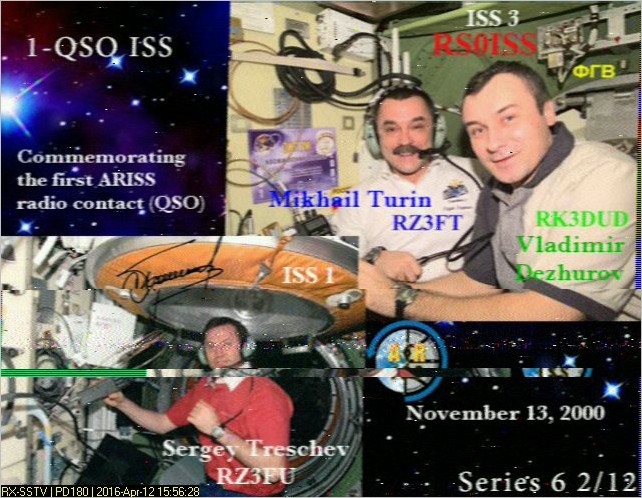
BIRDS CubeSat Engineering Model integration test

Masahiro Arai JN1GKZ reports the BIRDS Project Newsletter Issue No. 17 shows the deployment of five amateur radio BIRDS-1 CubeSats from ISS is planned for July 7, 2017.

The IARU reports the satellites will be using CW, 1k2 AFSK FM, audio FM and 9k6 GMSK downlinks on a coordinated downlink frequency of 437.375 MHz.

On the AMSAT Bulletin Board Masa JN1GKZ writes:

The schedule is:
Time        Satellites                       Location
#1 0900z BIRD-J, BIRD-G, BIRD-M over Fance
#2 0930z BIRD-N, BIRD-B              over the south Indian ocean

BIRD-B (BRAC Onnesha) :Bangladesh
BIRD-G (GhanaSat-1, ANUSAT-1):Ghana
BIRD-J (Toki) :Japan
BIRD-M (Mazaalai, NUMSAT-1) :Mongolia
BIRD-N (EduSat-1) :Nigeria

A QSL is issued for a reception report. Please check the BIRDS web site.
http://birds.ele.kyutech.ac.jp/amateur.html

Live broadcast of the deployment is planned by JAXA.
https://www.youtube.com/watch?v=sP5YZi5usHc

BIRDS Project Newsletter Issue No.17
http://birds.ele.kyutech.ac.jp/files/BIRDS_Newsletter_Issue_No_17.pdf

73 Masa JN1GKZ Tokyo Japan

Amateur Radio BIRDS-1 CubeSat Constellation
https://amsat-uk.org/2016/08/11/ham-radio-birds-constellation/
ARISS SSTV Commemorative Activity

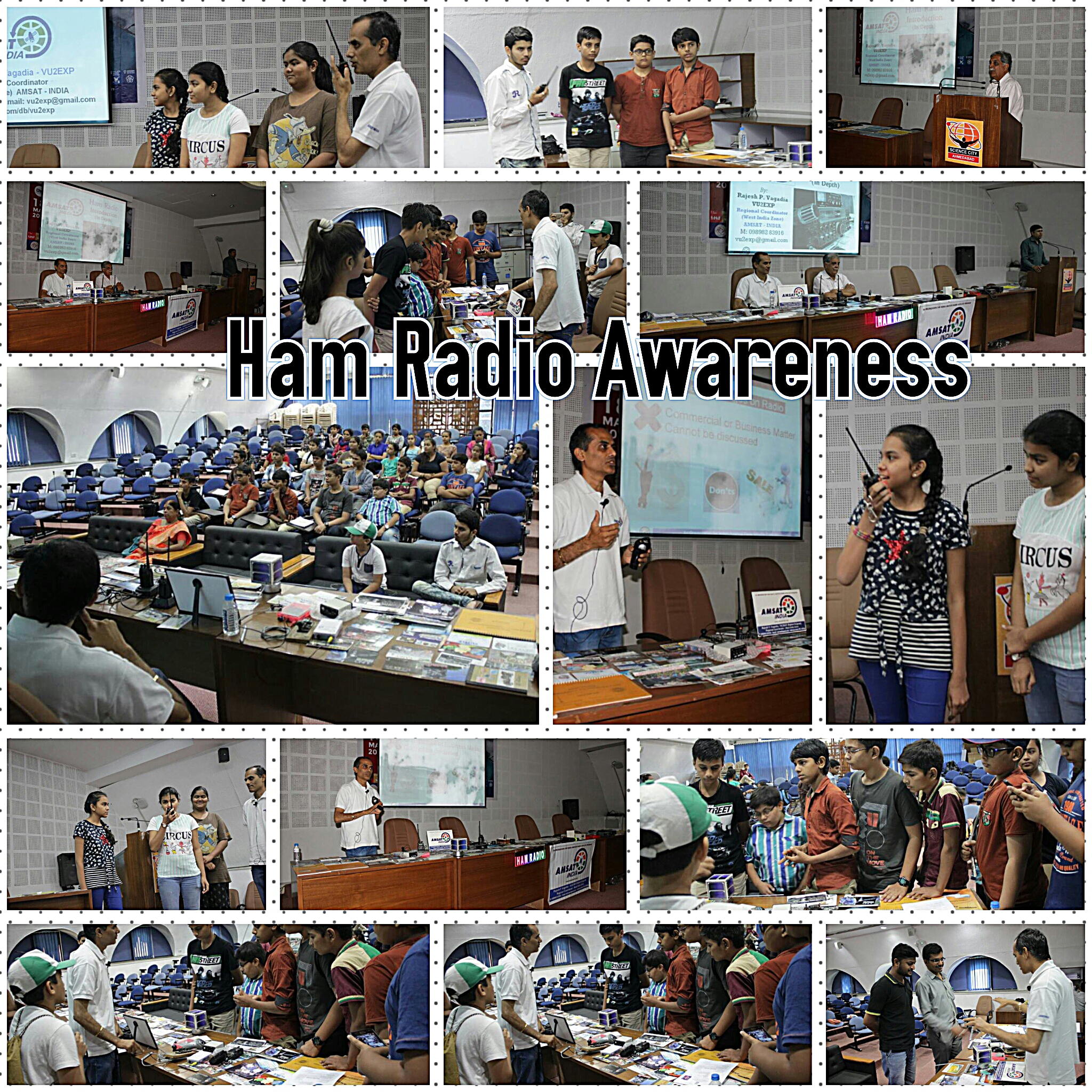
ISS SSTV image 2 received by Mike Rupprecht DK3WN April 12, 2016 at 1556 UT

ISS SSTV image 2 received by Mike Rupprecht DK3WN April 12, 2016 at 1556 UT

Special Slow Scan Television (SSTV) transmissions are expected to be made from the International Space Station on 145.800 MHz FM around the weekend of July 15.

In commemoration of their 20th anniversary, the ARISS team is planning to transmit a set of 12 SSTV images that capture the accomplishments of ARISS over that time.

The ARISS SSTV Blog says:

While still to be scheduled, we anticipate the SSTV operation to occur around the weekend of July 15.  We are planning for at least a 2 day operation, but are working for a potential longer operation. Note that all of this tentative and may change based on crew scheduling and
ISS operations.

Starting with our first meeting in November 1996, our joint operations on Mir, becoming the first operational payload on ISS in November 2000 to our 1103rd school contact (so far), ARISS’ accomplishments have been tremendous. We have touched the lives of many and inspired and educated countless students to pursue science, technology, engineering and math careers.

Please stay tuned as more details on our SSTV event will be communicated in the coming weeks.  Please spread the word.  And think about how you can get students in your area involved in capturing these images.  We would love to hear your stories on how that goes.

73,  Frank KA3HDO

ARISS SSTV Blog http://ariss-sstv.blogspot.co.uk/2017/06/ariss-sstv-commemorative-activity.html

How to receive ISS SSTV https://amsat-uk.org/beginners/iss-sstv/

Ham Radio Awareness Program at Science City Ahmedabad

Ham Radio Awareness Program at Science City Ahmedabad May 20, 2017

Ham Radio Awareness Program at Science City Ahmedabad May 20, 2017

AMSAT-India Regional Coordinator Rajesh Vagadia VU2EXP conducted a Ham Radio Awareness program for summer camp students at Science City Ahmedabad, Gujarat, India on May 20, 2017.

The event was knowledge gaining and full of fun for small group of young students.

Participants learnt basic concept of Radio, their setup, propagation, types of conversation allowed and some limitation, communication modes, features used by hams to send voice, text, images and data, Licencing procedure in India etc.

Students were surprised to realize potential of Amateur Radio to do Satellite Communications or to have contact with Astronauts aboard ISS ! Many queries were satisfied in Question and Answer Session.

Also small VHF Demo (Modulation test) was given by young radio amateur Priyesh Vagadia VU3GLY.

We are delighted to observe young students taking interest in Amateur Radio hobby in crowded network of 3G & 4G !

We thank Shri S. D. Vora (Executive Director) and Shri Pulkesh Prajapati from Science City Ahmedabad for coordinating and supporting this event..

Tnx & 73’s
VU2EXP
Rajesh P. Vagadia
Regional Coordinator (West India Zone) AMSAT-India http://amsatindia.org/

QB50 ISS CubeSat Deployments Phase 2

QB50 ISS LogoThe second phase of QB50 CubeSats deployments from the International Space Station is now expected to take place this Thursday and Friday, May 25-26 GMT.

Check QB50-CubeSat Mission for updates.

Download the QB50 ISS CubeSat Deployment and Radio Information v3 PDF

Built by university students and research organisations from 23 countries around the world, the QB50 constellation aims to study the lower thermosphere 200-380 km above the Earth.

11 QB50 CubeSats were deployed in the first phase and a further 17 will be deployed in the second phase. The beacons should be activated about 30 minutes after deployment.

The QB50 CubeSats have downlinks between 435.7 and 438 MHz and reports from radio amateurs are most welcome. Beacon data received can be uploaded to a dedicated QB50 webpage at
https://upload.qb50.eu/

LilacSat-1 (ON02CN), which deploys at 0815 GMT on Tuesday, May 23, is carrying a FM to Codec2-BPSK Digital Voice transponder, an APRS digipeater and camera. Further information at
https://amsat-uk.org/2017/05/19/lilacsat-1-cubesat-iss/

Two of the ISS QB50 CubeSats deployed in the first phase, ON01FR 437.020 MHz and ON05FR 436.880 MHz, carry V/U FM transponders. The uplink frequency for both is 145.860 MHz with 210.7 Hz CTCSS, see http://site.amsat-f.org/2017/05/12/qb50-document-de-description-des-telemesures-des-satellites-on01fr-on05fr/

List of QB50 CubeSats with Beacon format and frequency information
https://upload.qb50.eu/listCubeSat/

Keplerian Two Line Elements (TLEs) ‘Keps’ for new satellites launched in past 30 days
http://celestrak.com/NORAD/elements/tle-new.txt

QB50 project https://www.qb50.eu/
Twitter: https://twitter.com/QB50Mission

On the deployment days radio amateurs and QB50 teams will be on the #CubeSat IRC channel. Join the deployment chat at http://irc.lc/freenode/cubesat

Don’t have a suitable 435-438 MHz receiver? Try listening online with the SUWS WebSDR located near London http://websdr.suws.org.uk/

On June 19, 2014 two precursor QB50 CubeSats were launched, QB50p1 and QB50p2, which carried amateur radio transponders
https://amsat-uk.org/2014/06/19/successful-launch-of-amateur-radio-satellite-payloads/

CQ Magazine honours Britons involved in Astro Pi project

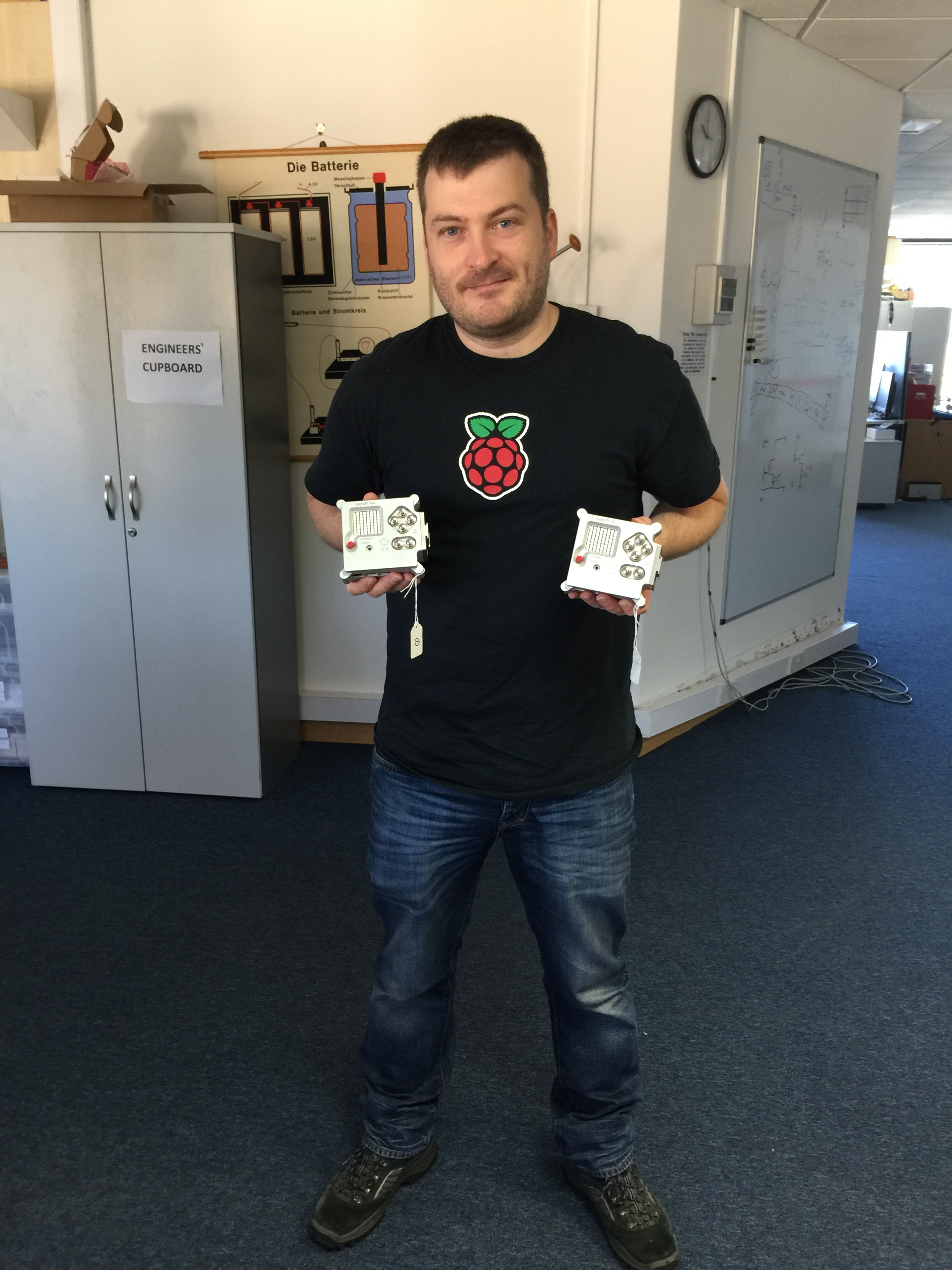
David Honess M6DNT with both ISS Astro Pi computers

David Honess M6DNT with both ISS Astro Pi computers

Radio amateurs David Honess, M6DNT, and Tim Peake, KG5BVI / GB1SS, have been inducted into the prestigious CQ Amateur Radio Hall of Fame.

The CQ Amateur Radio Hall of Fame honours those individuals, whether licenced radio amateurs or not, who have made significant contributions to amateur radio; and those amateurs who have made significant contributions either to amateur radio, to their professional careers or to some other aspect of life on our planet.

David Honess, M6DNT, developed the Astro Pi project which sent two Raspberry Pi computers to the International Space Station as platforms for students on Earth to write and run their own computer code in space. In November 2016 he was honored for this work with the Sir Arthur Clarke Award, presented by the Arthur C. Clarke Foundation and the British Interplanetary Society.

David said “I was really surprised when I heard I’d been inducted into the Hall of Fame, especially alongside Tim! Thank you to CQ magazine for the honour.”

“I’m so jealous of the kids these days, if you could have sent BBC Basic code to the Mir space station when I was kid I would have gone mad for it! Astro Pi gives young people a chance to be real ISS scientists, to have their code run in space and do something meaningful.”

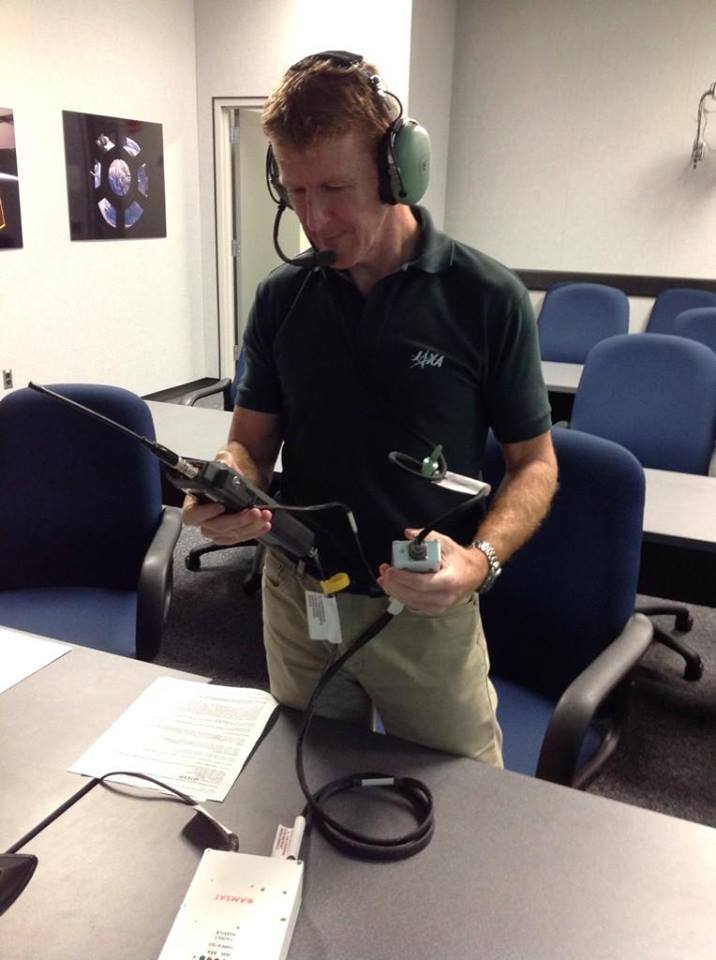
Tim Peake KG5BVI training on the amateur radio station equipment he would use on the ISS

Tim Peake KG5BVI training on the amateur radio station equipment he would use on the ISS

UK astronaut Tim Peake, KG5BVI /GB1SS, coordinated the International Space Station end of the Astro Pi project.

Tim was very active in the ARISS program during his mission on the ISS. In his free time he used the amateur radio station in the Columbus module to talk to students at schools in the UK and around the world. These contacts included the first use of Digital Amateur Television (DATV) transmissions to schools from space.

Amateur Radio on the International Space Station (ARISS)
http://www.ariss.org/

ARISS Principia UK school contacts https://principia.ariss.org/

Videos of Tim Peake GB1SS amateur radio contacts with UK schools
https://www.youtube.com/channel/UCQS-yDk7PdE9cRv4MNu8pCw/videos

Astro Pi: Your Code in Space https://www.raspberrypi.org/blog/tag/astro-pi/

Astro Pi https://astro-pi.org/
Twitter https://twitter.com/astro_pi
Izzy Astro Pi https://twitter.com/astro_pi_ir
Ed Astro Pi https://twitter.com/astro_pi_vis

CQ Amateur Radio Hall of Fame
http://www.cq-amateur-radio.com/cq_awards/cq_hall_of_fame_awards/cq_hall_of_fame_awards.html

David Honess, M6DNT, presented with Sir Arthur Clarke Award
https://amsat-uk.org/2016/11/25/radio-ham-awarded-space-achievement-honour/